


Smart Prevention Starts with Strategic Planning
Electrical systems are the lifeblood of homes, businesses, and industries—but they also come with a level of risk that, if ignored, can lead to disaster. Faulty wiring, overloaded circuits, outdated equipment, or simple human error can ignite dangerous situations in seconds. That’s where risk analysis steps in. It transforms potential hazards into manageable concerns, turning reactive crises into proactive safety. Understanding and applying risk analysis is what separates temporary fixes from long-term protection and electric safety training company is here to help.
At its core, electrical risk analysis is about identifying where failures are most likely to occur, how severe the consequences could be, and what actions are needed to prevent those outcomes. This process doesn’t just involve looking at technical specs or codes—it’s a comprehensive approach that considers how systems are used, who interacts with them, and under what conditions they’re most vulnerable. Every environment is unique, and risk analysis tailors safety strategies to fit real-world use, not just theoretical guidelines.
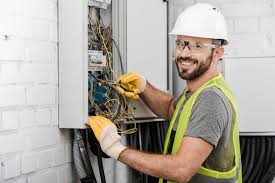
What makes this process so effective is its forward-thinking nature. Risk analysis allows engineers, safety managers, and business owners to map out potential faults before they happen. It uncovers hidden dangers that might go unnoticed during routine inspections, such as aging components, poor grounding, or unbalanced loads. Once identified, these risks can be ranked and addressed in order of urgency, ensuring that the most critical issues are resolved first—often before they pose any real threat.
Beyond preventing fires or outages, risk analysis also plays a crucial role in protecting lives and property. Electrical accidents are a leading cause of structural fires, injuries, and workplace downtime. By investing in detailed analysis, organizations demonstrate a commitment to safety and accountability, which can also reduce insurance costs and regulatory penalties. In industries with strict compliance standards, risk assessments are not only good practice—they’re a requirement.
Equally important is the role risk analysis plays in future planning. As technology evolves and electrical loads increase, systems must adapt. Risk assessments help guide upgrades, expansions, and modernizations, ensuring that infrastructure evolves safely alongside innovation. Rather than waiting for something to fail, businesses that prioritize risk management stay one step ahead—reducing downtime, protecting staff, and avoiding costly repairs.
Electrical risk analysis isn’t just about spotting problems. It’s about owning responsibility for safety and taking control of what could otherwise spiral into catastrophe. When done right, it turns potential disasters into just another day at the office—safe, stable, and fully under control.
…


